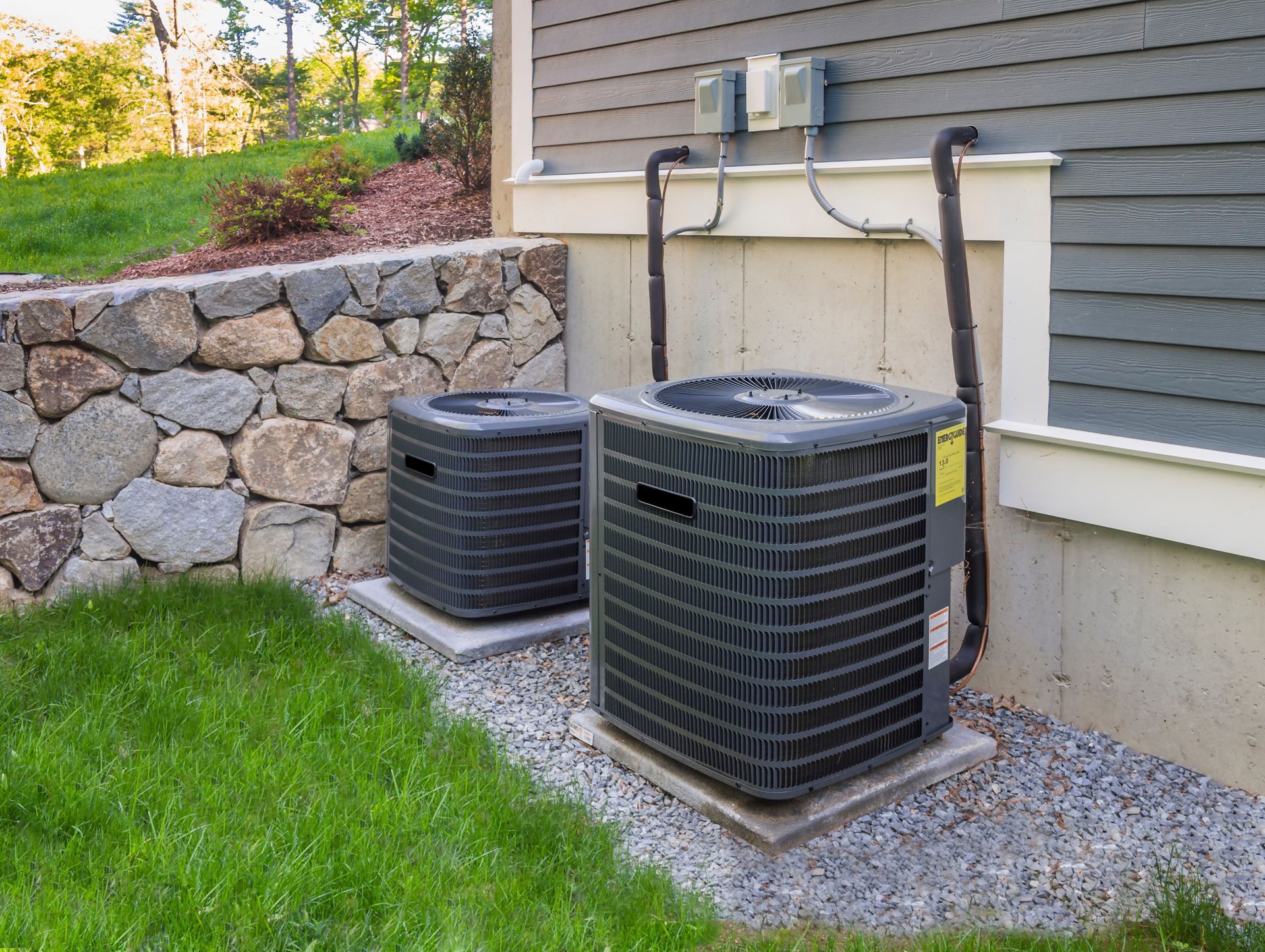
Smart HVAC Planning for Homes That Run Quietly and Efficiently
First, assess the current conditions in your home with a simple walkthrough, noting rooms that feel drafty, muggy, or consistently off-temperature. Document filter sizes, grill locations, and thermostat behavior over a few days. Verify that breakers, disconnects, and outdoor clearances are accessible. In practice, these observations inform estimates, selection of equipment tiers, and whether duct improvements or sealing become part of the scope rather than an afterthought.
Next, align expectations with the building’s envelope realities, including insulation levels, window performance, and infiltration paths. Often a basic load calculation reveals that comfort complaints stem from duct leakage or sizing mismatches more than the unit itself. Meanwhile, consider zoning or balancing dampers if certain areas swing widely. This stage helps refine options before committing to replacement versus strategic maintenance and small upgrades.
Beyond that, map lifecycle priorities: efficiency, noise, resilience, and serviceability. Then decide how much you value redundancy during extreme weather, which may point to dual-fuel strategies or backup heat sources. Stage decisions to prevent rework, starting with envelope fixes, then airflow, and finally equipment. Validate that the electrical and condensate pathways can support future additions like dehumidifiers or fresh-air intakes without major rework later.
However, airflow remains the heart of performance, so inspect supply and return routes for kinks, crushed flex, or undersized trunks. Buffer for static pressure by specifying filters and coils that match the blower’s capability. Calibrate expectations with a target temperature split and verify with simple measurements after service. In many homes, modest duct changes produce outsized comfort improvements compared to upsizing equipment.
Meanwhile, budget planning benefits from phasing. Scope immediate needs like safety or refrigerant leaks separately from comfort enhancements such as zoning or smart controls. Refine cost ranges by bundling tasks during shoulder seasons when scheduling can be flexible. Maintain a reserve for surprises behind walls or in attics, and document each change order so performance goals and dollars stay aligned through completion.
Then think about indoor air quality as an integrated plan rather than add-ons. Air duct cleaning can help when debris or renovation dust has accumulated, but validate root causes like infiltration or poor filtration. Air quality testing can guide filter selection, ventilation rates, and humidity targets. Sequence upgrades so that better sealing and filtration arrive before sensitive finishes or furnishings that could be affected by dust.
Afterward, review comfort control strategy. Inspect thermostat placement to avoid direct sun or drafts, and verify that sensor settings and schedules match occupancy. Phase in smart controls only after airflow and equipment are stable to avoid masking problems with software. Finally, document baseline performance metrics so you can compare outcomes after adjustments and keep tuning without guesswork.
Additionally, service readiness matters across seasons. Maintain clear working access around indoor and outdoor units and label shutoffs for quick response. Validate defrost modes, condensate routing, and drain protection before freezing weather. For summer, confirm outdoor coil cleanliness and shrub clearance. In practice, small maintenance habits reduce urgent calls and make any future AC repair or furnace work faster and more predictable.
Furthermore, replacement timing should reflect equipment age, refrigerant type, and the cost of recurring fixes. Inspect heat exchangers and inducer assemblies in gas systems, and verify blower conditions before deciding. For heat pumps, document defrost behavior and auxiliary heat run-time. Often, a planned changeout during mild weather allows better results, cleaner installations, and the opportunity to right-size without pressure from a no-cool scenario.
Finally, think long-term service partnerships through the lens of clarity and verification. Validate proposals with written scope, model families, and commissioning steps like static pressure, temperature split, and airflow targets. Ask for maintenance schedules that include coil cleaning and filter changes. When needs arise, such as targeted AC repair, a well-documented system history speeds troubleshooting, protects warranties, and keeps comfort steady season after season.